The Ultimate Guide to Cycling Your First Aquarium (The Fishless Method)
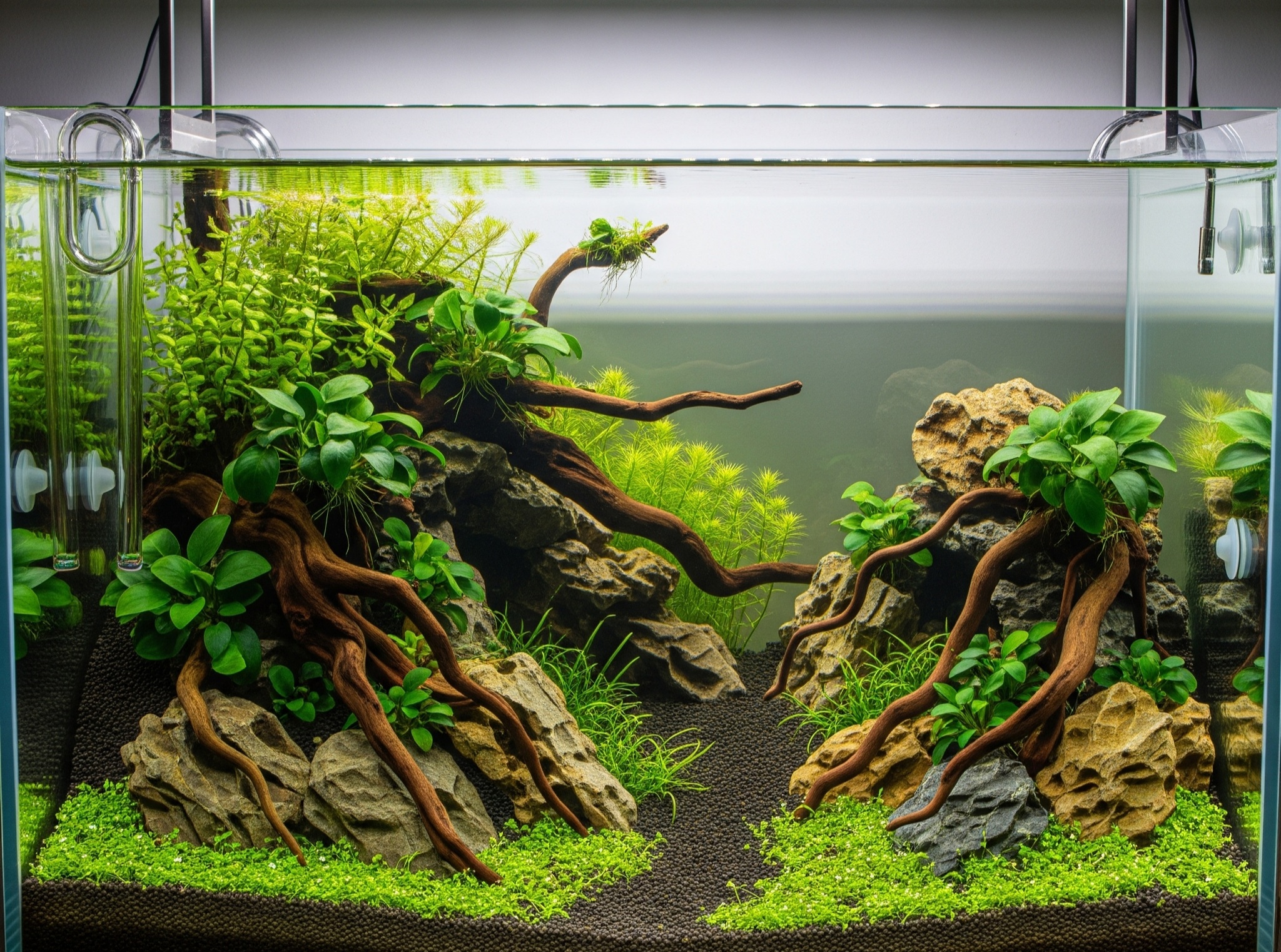
You’ve done it. The tank is set up, the substrate is rinsed, and that perfect piece of driftwood is finally in place. It looks amazing. And now, the most difficult part of the entire aquarium hobby begins: waiting. The temptation to run out and buy your first colorful shrimp is real, but taking a deep breath and completing one vital process first will be the difference between success and heartbreak.
Welcome to the guide on "cycling" your aquarium. It might sound technical, but trust us, it's simple. More importantly, it's the non-negotiable first step to creating a safe, stable home for your future aquatic pets.
What is Aquarium Cycling, Really?
At its core, "cycling" is the process of growing invisible allies. You're establishing a colony of beneficial bacteria in your aquarium's filter and on its surfaces. These microscopic heroes perform a critical job called the Nitrogen Cycle.
The Golden Rule: An uncycled tank is toxic to fish and shrimp. Cycling your tank is not an optional step, it's the foundation of a healthy aquarium.
Here’s the nitrogen cycle in a nutshell:
- Ammonia (NH₃) Appears: In the future, waste from your shrimp and uneaten food will break down and release highly toxic ammonia.
- Bacteria #1 Arrives: A specific type of bacteria will grow that eats this ammonia, converting it into Nitrite (NO₂).
- Nitrite is Still Toxic: Nitrite is also poisonous to aquatic life. Think of it as the second villain in our story.
- Bacteria #2 Arrives: A second type of bacteria then grows that eats the nitrite, converting it into the much safer Nitrate (NO₃).
- Nitrate is Relatively Safe: Plants use nitrate as food, and the rest is easily removed with your regular water changes.
Why a "Fishless" Cycle?
The fishless cycle is the modern, humane, and most effective way to prepare your tank. We manually add a source of ammonia to grow the bacteria without ever putting a living creature at risk. It's that simple.
What You'll Need (Your Cycling Toolkit)
- A Liquid Aquarium Test Kit: This is your most important tool. You need to accurately measure Ammonia, Nitrite, and Nitrate. The API Freshwater Master Test Kit is the gold standard for a reason. (Paper test strips are cheap but notoriously inaccurate – avoid them!).
- A Source of Ammonia: Pure liquid ammonia from a hardware store (Dr. Tim's Aquatics is a popular brand made for this) is the cleanest method. Alternatively, a pinch of fish food or a single raw shrimp from the grocery store dropped in the tank will also work by decomposing and releasing ammonia.
- Your Aquarium: Fully set up with its filter and heater running 24/7.
The Fishless Cycling Process: Step-by-Step
Get ready, this process will take anywhere from 3 to 8 weeks. It's a test of patience, but it's worth it. Turn your heater up to a warm 80-82°F (27-28°C) to speed up bacterial growth.
- Dose Ammonia: Add your ammonia source until your test kit reads an ammonia level of 2.0 ppm (parts per million).
- Wait and Test Ammonia: For the first week or so, not much will happen. Just test the water every day or two and add a few more drops of ammonia to keep the level around 2.0 ppm. You're setting the table for your bacteria guests.
- Watch for Nitrites: One day, you'll test and notice the ammonia has dropped on its own! This is the moment to celebrate – your first bacteria colony is working. Now, start testing for nitrites. You'll see them appear and start to climb.
- Watch for Nitrates: As nitrites climb, your second bacteria colony will start to grow. This is often the longest part of the wait. Eventually, you'll see the nitrite level start to fall. When this happens, test for nitrates – you'll see them finally appear on the chart. The end is near!
- The Final Test: Your tank is officially cycled when it can process 2.0 ppm of ammonia all the way to nitrates in 24 hours. The test result should be 0 ppm Ammonia, 0 ppm Nitrite, and some level of Nitrates.
- Graduation Day: You did it! Perform a large (50-80%) water change to lower the built-up nitrates to a safe level (under 20 ppm). Adjust your heater to the correct temperature for your shrimp. You are now ready to add your first inhabitants!
Common Questions & Troubleshooting
Help! My cycle seems stalled and my numbers haven't changed in a week!
Don't panic! This is common. First, ensure your heater is on and the filter is running. Second, give your test kit bottle a vigorous shake; sometimes the testing reagents can settle. Lastly, just be patient. Sometimes the bacteria just need a little more time to multiply.
How long will this *really* take?
It's frustrating, but it varies wildly. Some tanks cycle in 3 weeks, others take 8. It depends on your water source, temperature, and a bit of luck. Don't compare your progress to others online; just follow the process.
Can I use a "seeded" filter to speed it up?
Yes! This is the best shortcut in the hobby. Taking a bit of filter media (like a sponge or ceramic rings) from an established, healthy aquarium and placing it in your filter is like an instant download of beneficial bacteria. This can dramatically shorten the cycle time, sometimes to just a week or two. If you have a friend in the hobby, this is the way to go.
The patience you've just shown in cycling your tank is the single most important skill in keeping a thriving aquarium. You've built a stable foundation for a beautiful underwater ecosystem. Now, the truly fun part begins. Congratulations, and happy shrimping!